Low-FODMAP Fruit List: What You Can Eat (With Serving Sizes)
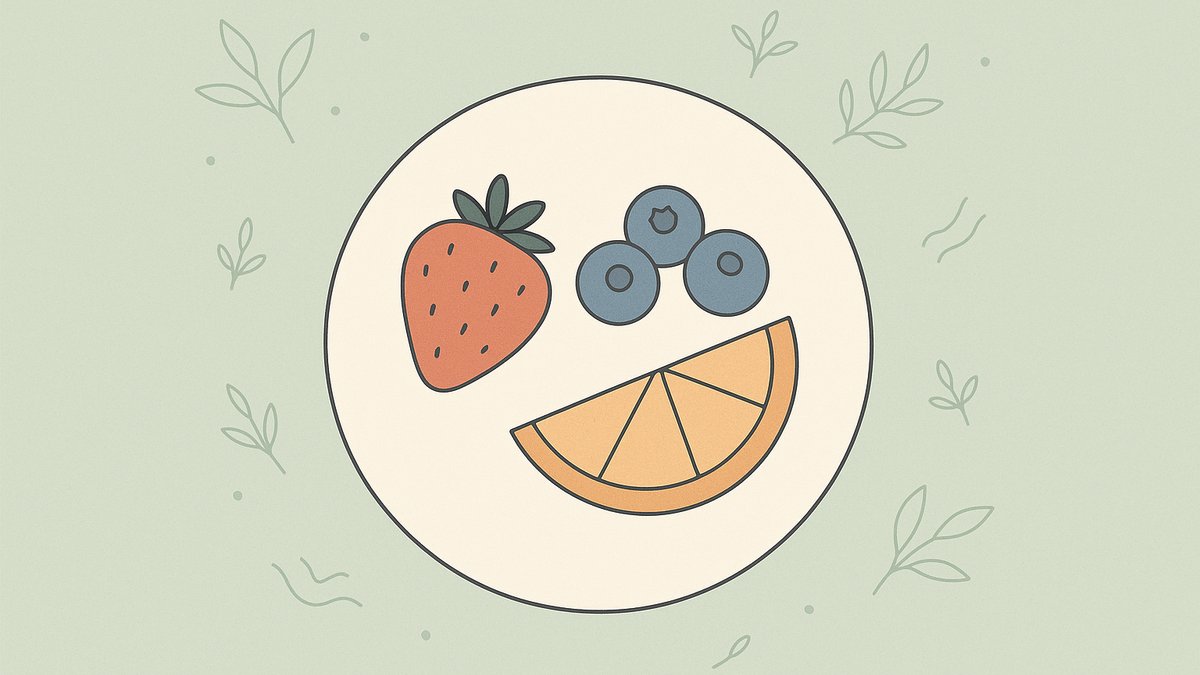
Fruit is the category where the low-FODMAP diet trips up the most people. Plenty of fruits are fine. Plenty are not. A big chunk flip between the two depending on how much ends up in your bowl.
This post is the cheat sheet: what fruit you can eat, what to skip during elimination, and why each one lands where it does. Serving sizes shift as Monash retests foods, so treat the numbers here as a starting point and look up any fruit in the FODMAP Foods app to see how its rating changes with portion size before getting strict with yourself.
The short answer
There's a solid core of low-FODMAP fruits you can eat at sensible portions: most berries, oranges and other citrus, kiwifruit, pineapple, firm bananas, and a small serve of cantaloupe or honeydew. Grapes have dropped off this core list: Monash's retest puts them low only at 2 grapes (14g), with excess fructose from 3 grapes up.
The fruits that cause the most problems during elimination are apples, pears, mangoes, watermelon, most stone fruit, and almost all dried fruit.
Why fruit is tricky in the first place
The FODMAPs that show up most often in fruit are excess fructose and sorbitol.
Fructose is a simple sugar. Fruits are low FODMAP for fructose when they contain at least as much glucose as fructose, because glucose helps the small intestine absorb fructose alongside it. Fruits are high FODMAP when they contain fructose in excess of glucose, which is the case for apples, pears, mangoes, and watermelon.
Sorbitol is a sugar alcohol (a polyol) that the small intestine absorbs slowly and incompletely. Apples, pears, and most stone fruit are sorbitol-heavy, which is why a single apple can take out someone with IBS.
Fructans show up in specific fruits too, especially ripe bananas, watermelon, and dried fruit.
When a fruit is listed as high FODMAP, it's usually one of these three doing the damage, and sometimes two at once.
 Get the free Beginner's Guide to the Low FODMAP Diet
Learn what FODMAPs are, which foods to watch, and how to start finding your personal triggers. Plus practical tips and new recipes by email.
Low-FODMAP fruit list
These are the fruits that are safe on the elimination phase at the serving sizes listed. Numbers are rounded, approximate, and drift as Monash retests.
| Food | Tested serving | FODMAP level | FODMAPs present |
|---|---|---|---|
| Avocado | About 3 tablespoons (60g) | Sorbitol | |
| Banana | About 1 medium (95g) | Fructans | |
| Banana Chips | About 15 chips (30g) | Fructans | |
| Blueberry | Any typical portion | None measured | |
| Cantaloupe | About ¾ cup (120g) | Fructans | |
| Cherry | About 3 medium (20g) | Sorbitol | |
| Coconut | About ¾ cup (80g) | Fructans, Sorbitol | |
| Cranberries | About ½ cup (50g) | Fructans | |
| Dragon Fruit | About 1 medium (330g) | None measured | |
| Dried Coconut | About ¼ cup (30g) | Sorbitol | |
| Dried Cranberry | About 2 tablespoons (20g) | Fructans | |
| Dried Date | About 5 dates (30g) | Fructans, Sorbitol | |
| Durian | Any typical portion | None measured | |
| Fig | About 1½ teaspoons (7g) | Excess Fructose | |
| Grape | About 2 medium (10g) | Excess Fructose | |
| Grapefruit | About ⅓ small (90g) | Excess Fructose | |
| Guava | Any typical portion | None measured | |
| Kiwi | About 2 small (150g) | Fructans | |
| Lemon | Small serving | None measured | |
| Lemon Juice | About 1 tablespoon (20mL) | Fructans | |
| Lychee | About 9 medium (95g) | Excess Fructose | |
| Orange | About 1 medium (130g) | Excess Fructose | |
| Papaya | Any typical portion | None measured | |
| Passionfruit | About 2 medium (45g) | Fructans | |
| Pineapple | About 1 cup (140g) | Fructans | |
| Pineapple (canned) | About 95g | Fructans | |
| Plantain | Any typical portion | None measured | |
| Pomegranate | About ¼ cup (40g) | Fructans, Mannitol | |
| Pomelo | About 250g | Excess Fructose, Fructans | |
| Prickly Pear | About 1 medium (165g) | None measured | |
| Raspberry | About ⅓ cup (60g) | Excess Fructose | |
| Red Currants | About ½ cup (75g) | Excess Fructose | |
| Rhubarb | Any typical portion | None measured | |
| Starfruit | About 1 medium (95g) | None measured | |
| Strawberry | About 5 medium (65g) | Excess Fructose |
Serving sizes are the amounts tested in the peer-reviewed literature behind our ratings. Last reviewed September 22, 2026. See the full low FODMAP food list.
Two practical rules make this list work.
Cap fruit at two servings a day, spaced 3 to 4 hours apart. A Little Bit Yummy and Monash both suggest this as the elimination-phase pattern. Fruit sugars stack. Two pieces at breakfast hits harder than one at breakfast and one mid-afternoon, even if the totals are the same.
Only count one fruit per "sitting." A fruit salad with half a cup of everything is a stacking bomb. One fruit at a time is the safer default.
The banana situation
Banana is the fruit that catches people out most often because it changes category as it ripens.
Firm, slightly green bananas are low FODMAP at a normal serve. As the banana ripens, its starches convert to simpler sugars and its fructan load goes up. By the time it's yellow with brown spots, Monash drops the low-FODMAP serve to a small portion (around a third of a medium banana) and calls a full one high.
Monash uses gram weights for banana rather than "medium," and what counts as medium varies a lot by variety. To be precise, weigh it. Otherwise: eat ripe bananas in small portions, or buy them firm and eat them before they turn.
The melon situation
Melons are confusing because they look alike and behave differently.
Cantaloupe and honeydew are low FODMAP at small portions and tip into high as the serve grows. That's fine for a side of fruit with breakfast, not fine as the main event. Keep the portion modest, because both have been retested and the green-serve window isn't huge for either.
Watermelon is in a different bucket. It's high FODMAP for excess fructose plus mannitol (a polyol), and the low-FODMAP serve is so small it isn't worth building a meal around. Skip it during elimination and revisit in reintroduction.
"Small is fine" for most polyol fruits
Most stone fruit (plums, peaches, nectarines, apricots, cherries) runs into sorbitol, and peaches and nectarines add excess fructose on top. The "small portions are fine" principle applies to some polyol foods, covered in a separate post on avocado serving sizes, but with stone fruit specifically the green-serve window is often very narrow or nonexistent depending on the fruit.
The safer default during strict elimination: skip stone fruit entirely. Cherries especially. The safe window is small enough that it's easy to blow past without realizing, and the symptom payoff isn't worth the risk. During reintroduction, stone fruit is a natural sorbitol challenge, and that's where you find out what you tolerate.
| Food | Tested serving | FODMAP level | FODMAPs present |
|---|---|---|---|
| Apricot | Larger portions | Fructans, Sorbitol |
Serving sizes are the amounts tested in the peer-reviewed literature behind our ratings. Last reviewed September 22, 2026. See the full low FODMAP food list.
High-FODMAP fruit list
These are the fruits to avoid during the elimination phase, or eat in portions small enough that Monash calls them safe (which, in most cases here, is very small).
Serving sizes are the amounts tested in the peer-reviewed literature behind our ratings. Last reviewed September 22, 2026. See the full low FODMAP food list.
Dried fruit is almost always a trap
A few dried fruits show a small low-FODMAP serve (measured in tablespoons or grams, not handfuls), but the pattern is the same across the category: drying removes water and concentrates everything else, including FODMAPs. A small scoop of raisins packs more FODMAP load than the grapes they came from.
Practical rule: treat dried fruit as off-limits during elimination unless you're willing to weigh out the specific gram serve Monash lists. For most people, it's easier to skip the category until reintroduction.
Fruit juice and smoothies
Juice concentrates fruit sugars without the fiber that slows absorption. Even a "safe" fruit can cause problems in juice form because the serving is effectively several fruits squeezed into one glass.
Smoothies have the same issue if they combine several fruits. A smoothie with half a banana, a cup of berries, and some mango is a FODMAP stacking machine, even though each ingredient looks reasonable on its own.
Safer pattern: whole fruit, one at a time, spaced out. For a smoothie, build it around one low-FODMAP fruit plus low-FODMAP dairy or a lactose-free milk, and skip the "throw everything in" approach.
Canned fruit
Canned fruit is a mixed bag. The big thing to check is what it's packed in. Fruit canned in pear juice or apple juice is high FODMAP regardless of what fruit is inside, because pear and apple juice are concentrated fructose. Fruit in its own juice, drained well, is usually a better option, but the fruit itself still has its own threshold. Read the can.
FODMAP stacking across fruit
The most common fruit mistake isn't eating the wrong fruit. It's eating too many right fruits in the same meal. Half a cup of strawberries plus a kiwi plus a couple of grapes looks like a reasonable snack. For FODMAP purposes, it's three servings of fruit at once, and the polyol and fructose loads add up across foods that each tested low on their own.
Track what you eat and how you feel a few hours later. The pattern shows up fast. One fruit at a time, twice a day, at least 3 hours apart is the elimination-phase default that keeps you out of trouble. Scan a fruit or ask about a portion in FODMAP Foods, or search the low FODMAP fruit list, to check any serve in seconds.
When can you eat apples and pears again?
Elimination is 2 to 6 weeks, not forever. After that comes reintroduction, where you test each FODMAP group individually. Excess fructose is one standard challenge (often tested with mango), and sorbitol is another (often tested with fresh apricot or cherries).
Plenty of people find they tolerate a whole apple, a pear, or a bowl of cherries once they've worked through reintroduction. Others find fructose or polyols are their specific triggers and stick to the low-FODMAP fruit list long term. Both outcomes are normal. The only way to find out which one applies to you is to go through the full phased approach.
For meal and snack ideas built around low-FODMAP fruits, see our low-FODMAP recipes.
Get the free Beginner's Guide to the Low FODMAP Diet
Learn what FODMAPs are, which foods to watch, and how to start finding your personal triggers. Plus practical tips and new recipes by email.
Scan any food, search 1,000+ FODMAP ratings, and know your safe portion with FODMAP Foods.


Related articles
For educational purposes only. Not medical advice. Consult a healthcare professional for personal guidance.
References
- High and low FODMAP foods — Monash FODMAP
- Update: Bananas re-tested — Monash FODMAP
- How much fruit can I eat on the Low FODMAP Diet? — A Little Bit Yummy
- How Dehydration, Ripening and Storage Affect the FODMAP Content in Fruit — FODMAP Everyday
- Dietary fructose intolerance, fructan intolerance and FODMAPs — Fedewa & Rao (2014)
- The low FODMAP diet: recent advances in understanding its mechanisms and efficacy in IBS — Staudacher & Whelan (2017)