Is Quinoa Low FODMAP? Yes, At Most Realistic Portions
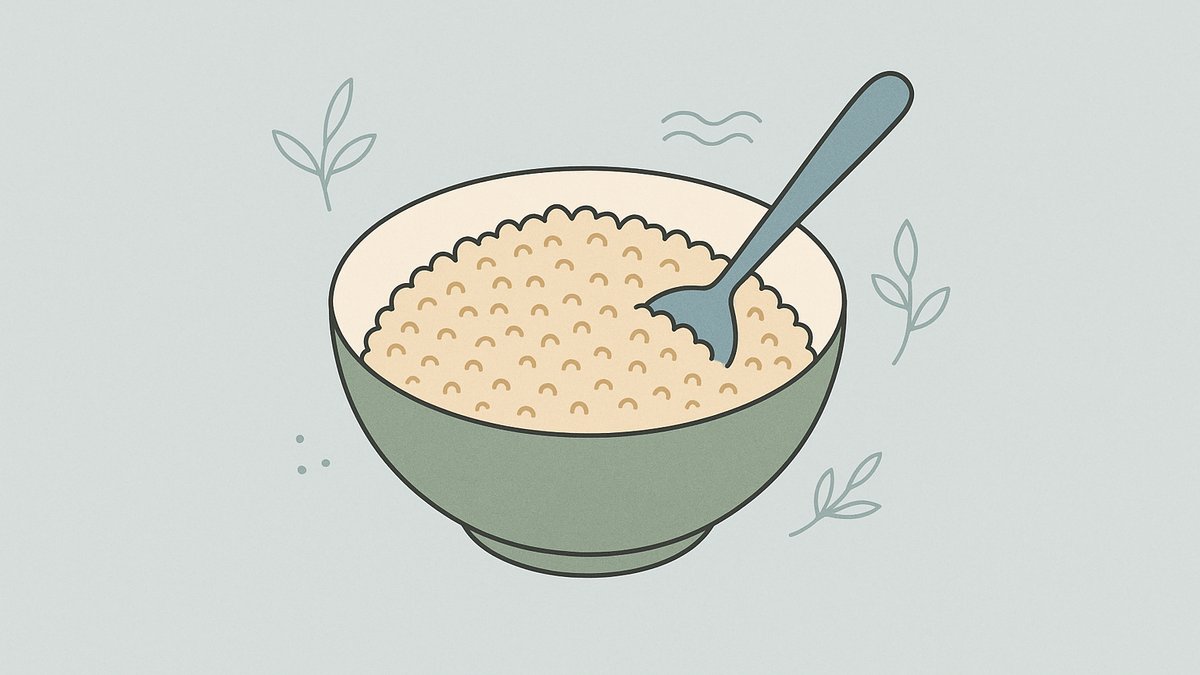
Quinoa is low FODMAP at a cooked serve of about 1 cup, and the tested portion is forgiving enough that most meals don't require measuring. You can build a plate around it and move on.
This post covers which colors are safe (all of them), how flour and flakes behave, practical swaps, and the one label trap that turns a low-FODMAP grain into a high-FODMAP meal.
The short answer
Plain cooked quinoa is low FODMAP at around 1 cup (155 g). Every color (white, red, black, tricolor) is safe at that serve.
Flavored quinoa mixes and pouches are usually high FODMAP because of onion and garlic in the seasoning, not because of the quinoa itself.
The Monash numbers
Monash has lab-tested quinoa and the result is about as forgiving as it gets for a grain. The typical serving sizes that come up across Monash-aligned sources:
- Cooked quinoa: around 1 cup (155 g). A generous portion for most meals, well inside the low-FODMAP range.
- Quinoa flour: around 2/3 cup (100 g). Plenty for a single-serve baking scenario.
- Quinoa flakes: around 1 cup (45 g dry). Roughly the size of a normal porridge bowl.
Numbers can shift slightly between product types and testing updates. Look up quinoa in the FODMAP Foods app to see how its rating changes with portion size. For a written summary, FODMAP Everyday has a solid ingredient page on quinoa, and A Little Bit Yummy's low-FODMAP flours and starches guide covers the flour side.
For comparison, a typical rice portion in a burrito bowl or as a side is usually around 150 to 200 g cooked. You can swap that one-for-one with quinoa and stay comfortably inside the low-FODMAP range.
One caveat on quinoa pasta. It's rarely pure quinoa. It's usually blended with corn, rice, or legume flours, and some brands add inulin or chicory root fiber for texture. The FODMAP load depends on the blend, so check the ingredient list, or scan the box in the FODMAP Foods app, rather than assuming all quinoa pasta behaves the same way.
 Get the free Beginner's Guide to the Low FODMAP Diet
Learn what FODMAPs are, which foods to watch, and how to start finding your personal triggers. Plus practical tips and new recipes by email.
White, red, black, tricolor: they all work
There are three basic colors on grocery shelves, plus the tricolor blends that mix them:
- White. The most common. Mild, fluffy, cooks in around 15 minutes.
- Red. Holds its shape better after cooking. Good in salads.
- Black. Crunchier, slightly sweeter, a bit more earthy.
- Tricolor. A pre-mixed bag of all three.
All the main colors come in low FODMAP at cooked serving sizes around a cup. The exact ceiling can move a touch between varieties, but the practical answer is the same: a normal cup-sized portion is safe for every color. The color you buy is a texture and flavor choice, not a FODMAP choice.
It's naturally gluten-free
Quinoa isn't a grain in the botanical sense (it's a seed, from a plant related to spinach and beets), and it contains no gluten. That matters for two groups of people:
- People with celiac disease or non-celiac gluten sensitivity who also have IBS. Quinoa is one of the cleanest options for covering both problems in a single food.
- Anyone doing a strict elimination phase who wants to simplify. Wheat and barley are fructan-heavy and also contain gluten. Cutting them out during elimination is standard. Quinoa fills the grain slot without any of that overlap.
Confirm the package says gluten-free on the label if celiac-level avoidance matters to you. Some quinoa is processed in facilities that also handle wheat.
Practical swaps
On a low-FODMAP diet, quinoa works as a one-for-one substitute for rice and couscous in almost any context, with a bit more protein and fiber per serving.
- Instead of couscous. Couscous is made from wheat, which means fructans, which means it's off the table during elimination. Quinoa works anywhere couscous does: under a stew, in a Mediterranean-style bowl, tossed with olive oil and herbs as a side.
- Instead of rice in a grain bowl. Same cooked volume, more texture, more protein. The nutty flavor holds up better against bold toppings.
- Instead of rice as a side dish. One cup cooked, a pat of butter, salt, maybe a squeeze of lemon. Done.
- As a breakfast porridge. Use quinoa flakes (1 cup dry, 45 g) cooked with lactose-free milk or a Monash-certified plant milk. Top with low-FODMAP fruit and maple syrup.
- In baking. Quinoa flour behaves differently than wheat flour (denser, slightly earthier), so it works best blended with other gluten-free flours in a recipe written for them, not as a 1:1 wheat swap in a standard recipe. Our low-FODMAP flours guide covers which flours pair well with it.
For more grain and pantry ideas that work together, our low-FODMAP pantry staples post covers the starter shelf, and the 7-day low-FODMAP meal plan puts quinoa into a real week of meals.
The packaged-mix trap
Plain dry quinoa is low FODMAP. Bagged quinoa mixes often are not.
Flavored quinoa packets, microwavable quinoa pouches, and "quinoa pilaf" side dishes frequently contain:
- Onion powder or dehydrated onion. High FODMAP at almost any serving size. Our full breakdown is in is onion low FODMAP.
- Garlic powder or dehydrated garlic. Same problem. Details in is garlic low FODMAP.
- Vegetable stock or bouillon. Almost always built on onion and garlic.
- "Natural flavors." Catch-all term that can include onion and garlic derivatives without naming them.
- Added beans or lentils. Fine in small tested amounts, but the amount in a pilaf mix is usually not specified.
The rule: buy plain quinoa and season it yourself with garlic-infused olive oil, salt, pepper, herbs, and any of the other low-FODMAP flavor builders. A good infused oil gets you the garlic flavor without any fructans, and it's cheap to make at home or buy pre-made.
The same pattern hits rice mixes, couscous mixes, and anything else sold as a "just add water" grain side. The grain itself is fine. The flavor packet is the problem.
Cooking it so it doesn't taste soapy
One practical note unrelated to FODMAPs: quinoa seeds have a natural coating called saponin that tastes bitter and slightly soapy. Most pre-packaged quinoa has been rinsed at the factory, but a second rinse at home takes 30 seconds and is cheap insurance. Put the quinoa in a fine-mesh strainer, run cold water over it while swishing with your hand, and cook it normally. If your quinoa tastes weird, saponin is usually why.
Where quinoa fits in the bigger picture
Quinoa isn't a headline food on the low-FODMAP diet. It's a workhorse. It covers the grain slot without the fructans in wheat and barley, and with a forgiving cooked portion that handles most normal meals.
Early in the elimination phase, quinoa is one of the simplest grains to default to. Any color, rinsed before cooking, seasoned with garlic-infused oil and herbs instead of a packet. Put it on your low-FODMAP grocery list as a default staple.
For more on what FODMAPs are and why some grains cause problems while others don't, the what are FODMAPs explainer covers the basics. For a ready-to-cook quinoa meal, see the low-FODMAP quinoa tabbouleh recipe on this site.
Get the free Beginner's Guide to the Low FODMAP Diet
Learn what FODMAPs are, which foods to watch, and how to start finding your personal triggers. Plus practical tips and new recipes by email.
Scan any food, search 1,000+ FODMAP ratings, and know your safe portion with FODMAP Foods.


Related articles


For educational purposes only. Not medical advice. Consult a healthcare professional for personal guidance.
References
- Quinoa — FODMAP Everyday
- What Flours & Starches are Low FODMAP? — A Little Bit Yummy
- Is quinoa low FODMAP? — Karlijn's Kitchen
- Starting the Low FODMAP Diet — Monash FODMAP