Is Onion Low FODMAP? A Complete Guide to Onions and Substitutes
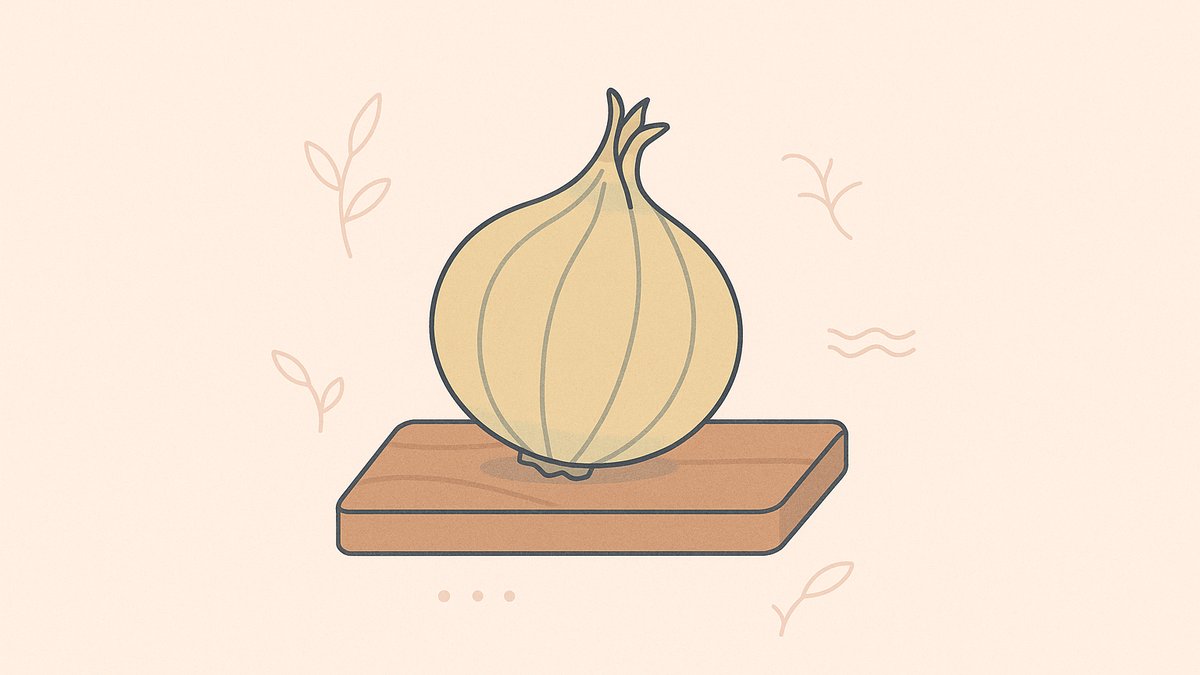
Standard onions are high FODMAP at typical serves and have to come out during the elimination phase. Since onion anchors most savory cooking (soups, stews, stir-fries, chili, meatballs, burgers, salsa, sauces, dressings), the practical question is what keeps the flavor without the fructans.
This post covers which onions and onion-adjacent ingredients are high FODMAP, which parts are safe, and the specific swaps that work. If you've already read the garlic post, a lot of this will feel familiar. Garlic and onion are siblings in the fructan family, and the rules track closely.
The short answer
Standard onions (yellow, white, red, brown, Spanish, Vidalia, sweet) are high FODMAP at typical serving sizes and are avoided during the elimination phase of the low-FODMAP diet.
The green tops of scallions (spring onions), chives, and leek greens are low FODMAP and carry the oniony flavor that's missing.
Why onion is high FODMAP
Onions are one of the most concentrated fructan sources in the common Western diet, alongside garlic and wheat. Fructans are a type of FODMAP the small intestine can't break down. They pass intact into the large intestine, where gut bacteria ferment them. That fermentation produces gas and pulls water into the gut, which is what triggers bloating, cramping, urgency, and altered bowel habits in people with IBS.
Onion is such a consistent trigger that many IBS patients figure it out on their own, years before they ever hear the word FODMAP.
 Get the free Beginner's Guide to the Low FODMAP Diet
Learn what FODMAPs are, which foods to watch, and how to start finding your personal triggers. Plus practical tips and new recipes by email.
All the onions that are high FODMAP
Monash flags the following as high-FODMAP or "avoid during elimination":
- Yellow, white, red, brown, Spanish, sweet, and Vidalia onions. All high FODMAP.
- Shallots. A single small shallot is high in fructans. Don't treat them as a "milder" swap, they're not.
- Pearl onions and cocktail onions. Same plant, same fructans, smaller size. Still high FODMAP.
- The white bulb of a scallion (spring onion). High fructans. Only the greens are safe.
- The white bulb of a leek. High FODMAP. Only the dark green tops are safe.
- Pickled onions. Pickling doesn't remove fructans.
- Caramelized onions. Cooking concentrates the flavor but doesn't destroy fructans.
If a recipe calls for "onion" without specifying, assume it means the high-FODMAP kind.
Onion powder, onion salt, and dehydrated onion
Drying an onion removes water, not fructans. If anything, dried onion is worse than fresh, because the fructans get concentrated into a smaller volume.
- Onion powder. High FODMAP at standard cooking amounts. A teaspoon of onion powder packs more fructans than a similarly sized piece of fresh onion.
- Onion salt. Same problem. It's onion powder with salt added.
- Dehydrated onion flakes. Same concentrated fructans. Skip during elimination.
- "Onion extract" or "onion flavor" on a label. A common hidden source of onion fructans in processed foods. If the product isn't Monash or FODMAP Friendly certified, it's safer to skip during elimination and confirm later during reintroduction.
One exception worth knowing: a few brands now sell low-FODMAP certified onion-flavor products, like Gourmend's green onion powder. Those are lab-tested and safe at the serving size on the label. Regular supermarket onion powder is not.
Hidden onion in processed food
Onion shows up in far more packaged food than most cooks realize.
Common culprits:
- Stocks, broths, and bouillon cubes. Almost all commercial stock (chicken, beef, vegetable) is made with onion, including "low sodium" and "organic" versions. Check the label every time.
- Pasta sauces and pizza sauces. Onion is in the base of nearly every jarred sauce.
- Salad dressings. Ranch, Caesar, Italian, French. Almost all contain onion or onion powder.
- Seasoning blends. Taco seasoning, chili powder blends, poultry seasoning, "Italian herbs," barbecue rubs. Read the ingredient list on each one.
- Chips and savory snacks. Sour cream and onion, barbecue, ranch, salt and vinegar. Onion powder is everywhere.
- Gluten-free products. Gluten-free bread, pies, and crackers often use onion powder for flavor since they can't rely on wheat.
- "Natural flavors" or "spices." On a savory product, this frequently includes onion or garlic. If you can't confirm, treat as high FODMAP during elimination.
One key food-science point: fructans are water-soluble. When onion cooks in broth or sauce, the fructans leach into the liquid. The trick of "just pick out the onion pieces before serving" doesn't work for anything water-based. The liquid itself is now high FODMAP.
Oil is different. Fructans are not fat-soluble, which is why onion-infused and garlic-infused oils work as flavor carriers. The mechanism is covered in detail in the garlic post.
Low-FODMAP onion swaps that work
Several real options exist, and layered together they close most of the gap with normal cooking.
Green scallion tops (spring onion greens). The dark green part of a scallion is low FODMAP at generous serving sizes, well beyond what most recipes call for. Slice thin and add near the end of cooking so they keep their bite.
Chives. Low FODMAP at standard serves. Good for garnish, eggs, baked potatoes, dips, and cream cheese spreads. Fresh is best. Freeze-dried chives work too.
Garlic chives (Chinese chives). A different plant with a more garlicky note. Low FODMAP in normal cooking serves. Good in stir-fries, dumplings, and scrambled eggs.
Leek greens. Only the dark green tops, not the white or pale-green bulb. Low FODMAP at standard cooking serves. Slice and cook them like onion. They soften nicely and add sweetness to soups and braises.
Asafoetida (hing). A sulfurous resin used in Indian cooking. When a pinch hits hot oil, it tastes remarkably like cooked onion and garlic together. Buy pure asafoetida. Some commercial hing is cut with wheat flour, which adds fructans back in.
Infused oils. Onion-infused and garlic-infused oils carry the flavor without the fructans. Buy a Monash-certified brand, or make your own by warming oil with onion chunks, straining out every solid, and refrigerating.
Certified low-FODMAP onion powders. Products like Gourmend green onion powder and FODY-branded seasonings use the green parts and are tested for safe serving sizes.
FODMAP stacking with onion substitutes
One caution. Each of these substitutes is low FODMAP on its own at the listed serving, but they still contain small amounts of FODMAPs. Piling chives, scallion greens, and leek greens into the same dish in large quantities can stack over threshold. That's true of any low-FODMAP ingredient. The dose is what makes it safe, and portions add up across a meal.
When a label or dish is unclear, scan it or ask about it in FODMAP Foods, or search the low FODMAP list, to check for hidden onion in seconds.
Building a weeknight dinner without onion
A pattern that works well: start with olive oil and a spoonful of garlic-infused oil in the pan. Add the green tops of a couple of scallions. Add your protein. Season with salt, pepper, and a Monash-certified spice blend. Finish with chives or more scallion greens. Serve over rice or gluten-free pasta.
It tastes like normal cooking, because it is. The elimination phase isn't designed as a long-term sentence. It's a reset that sets up reintroduction, where you find out which FODMAPs are a real problem for you.
For more meals that use this pattern, see the low-FODMAP recipes.
When can you eat onion again?
The elimination phase is typically 2 to 6 weeks long, not permanent. After that comes reintroduction, where each FODMAP group gets tested individually to find personal tolerance. Fructans, the group onion belongs to, is one of the standard reintroduction challenges.
Most people don't get back to unlimited raw onion, but a fair number tolerate small cooked amounts once they've reset. The number only comes from testing. Until then, green tops and infused oils carry the flavor.
Get the free Beginner's Guide to the Low FODMAP Diet
Learn what FODMAPs are, which foods to watch, and how to start finding your personal triggers. Plus practical tips and new recipes by email.
Scan any food, search 1,000+ FODMAP ratings, and know your safe portion with FODMAP Foods.


Related articles



For educational purposes only. Not medical advice. Consult a healthcare professional for personal guidance.
References
- Cooking with onion and garlic: myths and misconceptions — Monash FODMAP
- All about onion, garlic and infused oils on the Low FODMAP Diet — Monash FODMAP
- How to Replace Onion on the Low FODMAP Diet — A Little Bit Yummy
- Scallions and FODMAPs — FODMAP Everyday
- Dietary triggers of abdominal symptoms in patients with irritable bowel syndrome: randomized placebo-controlled evidence — Shepherd et al. (2008)