

Shortbread
Low FODMAP shortbread made with butter, powdered sugar, vanilla, and a gluten-free flour blend, with optional citrus zest, rosemary, or lavender.
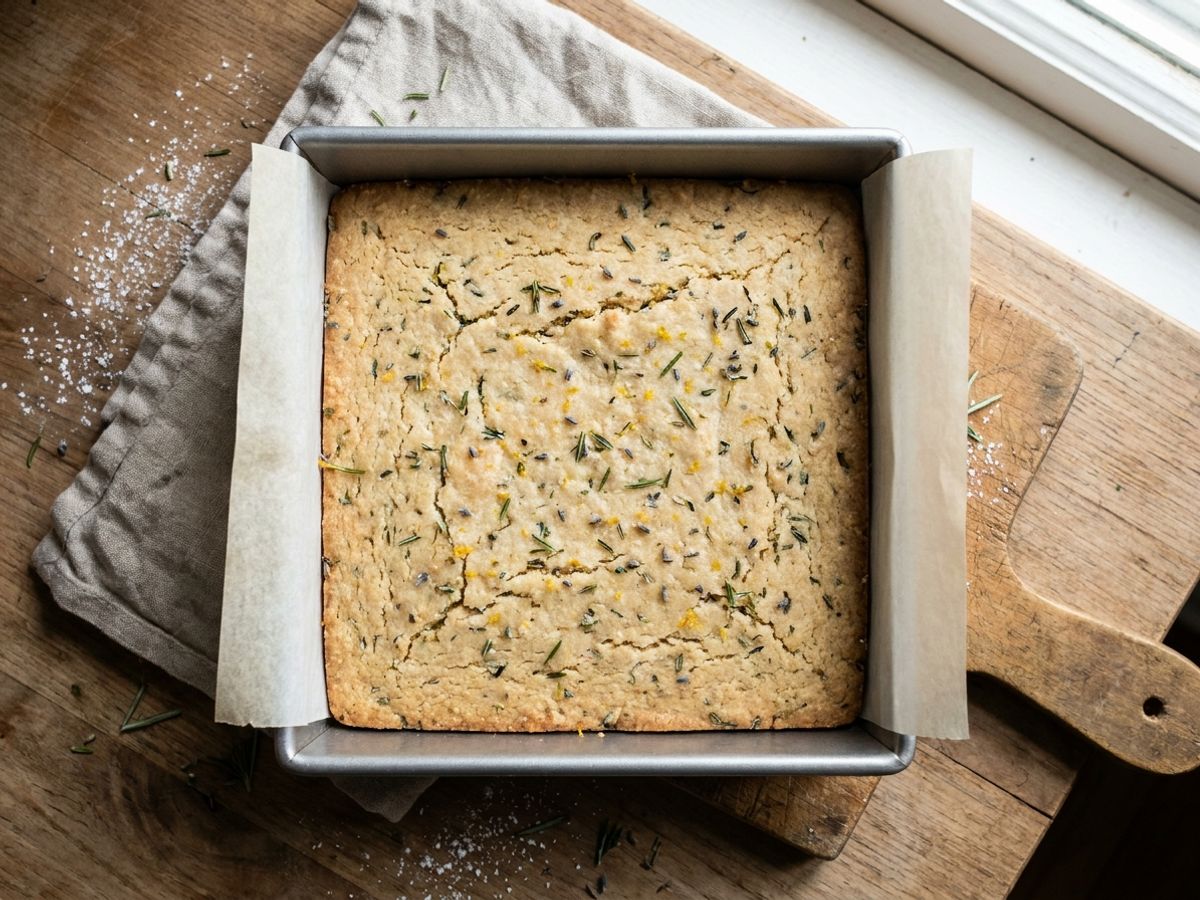
Ingredients
- 1 cup (225 g) unsalted butter, softened but still cool
- 1/2 cup (60 g) powdered sugar, sifted
- 1/4 teaspoon fine salt
- 1 teaspoon pure vanilla extract
- 2 cups (280 g) gluten-free flour blend; no inulin or chicory root
Optional Flavorings (Pick One)
- 2 teaspoons finely grated lemon or orange zest
- 1 tablespoon finely chopped fresh rosemary
- 2 teaspoons dried culinary lavender, crumbled
Makes about 24 cookies. One serving is 1 cookie.
Instructions
Mix the Dough
- Heat the oven to 325°F (165°C). Line an 8-inch square pan with parchment, leaving an overhang on two sides.
- Beat the butter, powdered sugar, and salt in a large bowl with a hand or stand mixer on medium speed for 2 to 3 minutes, until pale and creamy. Scrape the bowl.
- Beat in the vanilla and any optional zest, rosemary, or lavender.
- Turn the mixer to low and add the flour blend in two additions. Mix just until the dough pulls together into a shaggy mass. It will look dry at first and then clump; stop the mixer as soon as it does.
Press and Score
- Press the dough evenly into the lined pan, smoothing the top with the back of a spoon or an offset spatula. Aim for an even, level slab (about 3/4 inch thick).
- Score the surface into 24 rectangles (4 rows of 6) with a sharp knife, cutting about halfway down. Prick each rectangle twice with a fork.
Bake
- Bake on the middle rack for 40 to 45 minutes, rotating the pan once halfway through. The top should be pale gold and the edges a shade darker.
- Let the pan cool on a rack for 10 minutes, then lift the slab out by the parchment and re-cut along the scored lines while still warm. Cool the cookies completely on the rack before moving them; warm shortbread is fragile.
Tips & Substitutions
- Soft but cool butter is the target. Butter that's too warm turns the dough greasy and the baked cookies flat; butter straight from the fridge won't cream. Press a finger into the stick; it should dent easily without sinking through.
- Powdered sugar, not granulated. Powdered sugar dissolves into the butter and gives shortbread its signature sandy, melt-in-the-mouth texture. Granulated sugar makes a grainier, crunchier cookie.
- Don't overmix after the flour goes in. Shortbread stays tender because the dough never develops much structure. Stop the mixer the second the dough clumps.
- Cut while warm, cool in place. A fully cooled slab shatters along the score lines unpredictably. Re-cutting after 10 minutes gives clean edges; lifting before the cookies firm up breaks them.
- Dairy-free version. A 1:1 vegan butter stick works; check the label for cashews, inulin, and chicory root. Skip soft tub spreads; too much water for shortbread's low-moisture crumb.
- Rounds or fingers. Roll the dough 1/2 inch thick between parchment and cut with a round cutter, or press into a rectangular pan and cut into fingers. Cookies baked on a sheet pan finish faster than a slab; start checking at 25 to 30 minutes.
 Join the waitlist
We're building a Low FODMAP Recipes app. Add your email and we'll let you know when it launches.
Why This Works
Butter and sugar are low at typical serving sizes. Monash lists butter and granulated sugar as low at normal cooking amounts. Butter is almost entirely fat with only a trace of lactose. Shortbread is rich, so 1 cookie is a sensible serving.
Gluten-free flour does the structural work. The gluten-free flour blend already contains xanthan gum, so the dough holds together without wheat's fructans. The high fat-to-flour ratio coats the starch and keeps the crumb short and tender, which is exactly what shortbread should be.
Powdered sugar gives the texture. Powdered sugar is sugar plus a little cornstarch, both low FODMAP. The fine texture is what gives shortbread its sandy bite; a coarse sugar won't dissolve into the butter the same way.
Flavor add-ins. Vanilla extract is low FODMAP at recipe amounts, and lemon or orange zest is used in small amounts. Rosemary is a low FODMAP herb; use lavender sparingly, since only a pinch is needed for flavor.
Storage
Store the cooled cookies in an airtight container at room temperature for up to 1 week, with parchment between layers. Shortbread actually improves after a day; the butter flavor deepens and the crumb firms up. Freeze baked cookies in a zip-top bag for up to 3 months and thaw at room temperature. The unbaked pressed slab also freezes well: wrap the pan tightly, freeze up to 1 month, and bake straight from frozen in a metal pan (not glass, which can crack going from freezer to oven), adding 5 to 10 minutes to the bake time.
Not sure about an ingredient?
Our low FODMAP food list rates 600+ foods low, moderate or high, with the serving size behind each rating, so you can check any ingredient or swap in this recipe before you make it.
For educational purposes only. Not medical advice. Consult a healthcare professional for personal guidance.
References
- Low FODMAP Shortbread — FODMAP Everyday
- Butter on the Low FODMAP Diet — FODMAP Everyday