Is Soy Sauce Low FODMAP? A Surprisingly Clear Yes
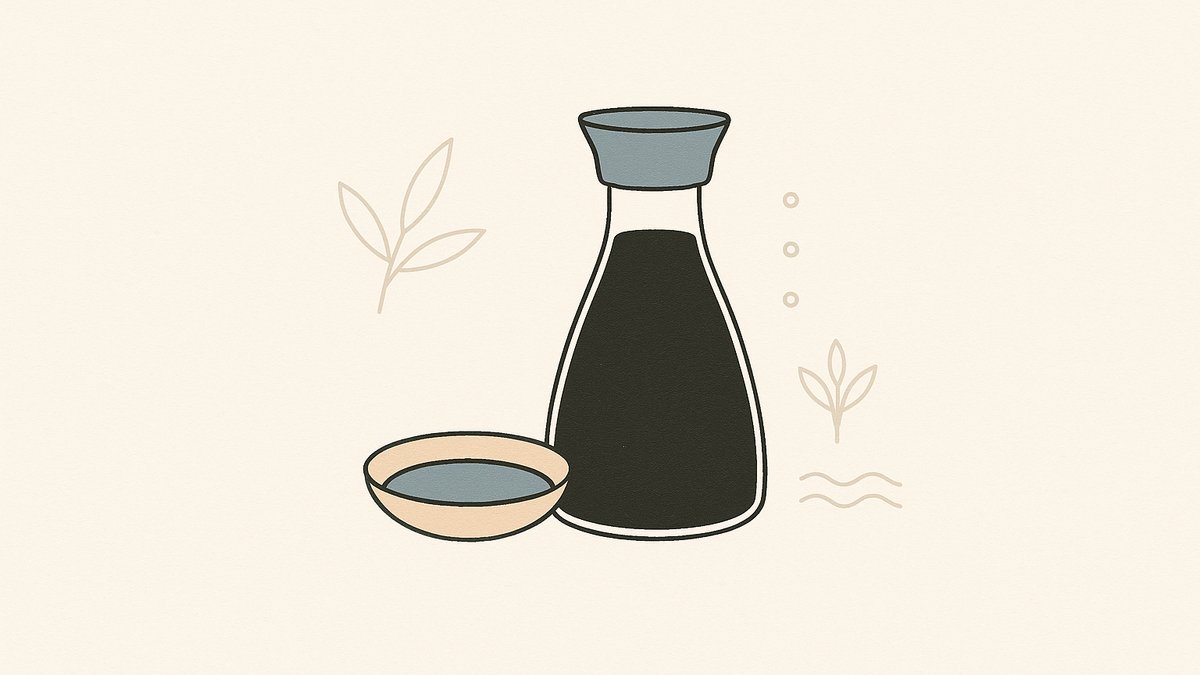
Regular soy sauce is low FODMAP at 2 tablespoons per serving, which is more than most recipes call for. Tamari, the wheat-free version, is low FODMAP at the same serve.
Most soy-related ingredients come with an asterisk on the low-FODMAP diet. Whole soybeans are high FODMAP. Soy milk made from whole beans is high FODMAP, while soy milk made from soy protein is low FODMAP. Firm tofu is generally low FODMAP at typical serves, but silken tofu has a much smaller low-FODMAP serving size because pressing doesn't remove as many of the oligosaccharides. Soy sauce is one of the rare clean yeses in that list.
The short answer
Regular soy sauce is low FODMAP at 2 tablespoons per serving, per Monash testing. Tamari (the wheat-free version) is also low FODMAP at 2 tablespoons. Coconut aminos are low FODMAP at 1 teaspoon.
The catch isn't the soy sauce itself. It's the sauces that contain soy sauce plus other things: teriyaki, hoisin, oyster sauce, most stir-fry sauces in a jar. Those almost always carry added garlic and onion, which moves the whole bottle into high-FODMAP territory regardless of what the soy sauce is doing.
Why soy sauce is low FODMAP
Whole soybeans are loaded with galacto-oligosaccharides (GOS) and fructans, both of which the small intestine can't break down. That's why a handful of edamame or a scoop of soy flour can set off symptoms fast.
Soy sauce is different because it's not whole soybeans. It's what's left after months of fermentation plus pressing and filtration.
Traditional soy sauce is made by inoculating soybeans (usually with wheat) with Aspergillus mold, salting heavily, and letting the mash ferment for months. Fermentation and the subsequent pressing reduce the fermentable carbohydrates that started in the beans. What ends up in the bottle is mostly water, salt, amino acids, and flavor compounds. The details vary by process, but the tested outcome is what matters.
Monash's lab work puts regular soy sauce at a low-FODMAP serve of 2 tablespoons (about 30 ml), which is more than most recipes call for. FODMAP Friendly, the other main certifying body, found no detectable FODMAPs at typical serves and allows freely in reasonable amounts.
 Get the free Beginner's Guide to the Low FODMAP Diet
Learn what FODMAPs are, which foods to watch, and how to start finding your personal triggers. Plus practical tips and new recipes by email.
Tamari
Tamari is traditional Japanese soy sauce made with little or no wheat. It's low FODMAP at the same 2-tablespoon serve as regular soy sauce.
For readers who are also gluten-free (whether from celiac disease, non-celiac gluten sensitivity, or the fructan overlap with wheat), tamari is the default swap. Certified gluten-free tamari is easy to find at most US grocery stores. San-J's organic reduced-sodium tamari is certified low FODMAP by FODMAP Friendly and is widely recommended in the FODMAP community.
Taste-wise, tamari is slightly richer and less sharp than regular soy sauce. It works anywhere you'd use soy sauce, though some people prefer it for dipping and regular soy sauce for cooking. That's a preference call, not a FODMAP call.
Coconut aminos
Coconut aminos get a lot of airtime in the gluten-free and Paleo worlds. They're made from coconut sap, salt, and fermentation, and they taste close to a sweeter, milder soy sauce.
Coconut aminos have been tested by Monash and FODMAP Friendly, and the tested low-FODMAP serve is substantially smaller than soy sauce's 2 tablespoons. Serves are measured in teaspoons rather than tablespoons, and the exact number is brand-dependent. At larger serves the fructan load from the coconut sap can push coconut aminos into moderate or high FODMAP territory, so measure in teaspoons and check the label on the brand you're buying.
If you're specifically trying to avoid soy or gluten and you want a substitute, coconut aminos work, but the quantity matters in a way it doesn't with soy sauce or tamari. Practically speaking, that usually means using coconut aminos as a finishing drizzle or splash rather than pouring it freely into a stir-fry.
The "soy sauce plus" sauces
Most composed Asian sauces in a jar start with soy sauce and then add the things that make them taste like those sauces. That second layer is where the FODMAP load creeps back in.
Teriyaki sauce. Most supermarket bottles include garlic and/or onion powder. The soy sauce is fine, the garlic isn't. Monash's own homemade teriyaki recipe skips the garlic and uses alternatives; Fody makes a low-FODMAP-certified "No Soy" teriyaki for the US market. Bottled teriyaki sauce from a regular grocery brand is generally not safe on elimination.
Hoisin sauce. Often contains garlic, and the base frequently includes fermented soybean paste plus sweeteners that can stack FODMAPs fast. Skip the generic bottles. Low-FODMAP-certified versions exist but aren't the default on most grocery shelves.
Oyster sauce. Varies brand to brand. Many include garlic and onion. A few don't. If the label is hard to read or a certified brand isn't available, assume it's out during elimination.
Stir-fry sauces, dumpling sauces, general "Asian" marinades. Same rule: the soy sauce is the innocent part, the garlic and onion further down the ingredient list are the problem. Read every label. The same hidden-allium issue shows up when eating out low FODMAP, which is why asking about sauce ingredients matters.
Sweet soy sauce (kecap manis). A separate category: Monash lists this low FODMAP at 1 tablespoon, half the regular soy sauce serve. Fine in small splashes, not something to pour.
The practical rule: a bottle that says "soy sauce" and has a short ingredient list (soybeans, wheat or not, salt, water, maybe a preservative) is safe at 2 tablespoons. A bottle that says anything else on the front is a label check.
A note for readers who also have histamine intolerance
This is where the low-FODMAP diet and the low-histamine diet part ways hard.
Soy sauce is high in histamine because fermentation, the same process that strips out the FODMAPs, lets histamine accumulate over months of aging. Tamari can test higher in histamine than regular soy sauce because it's often aged longer. If histamine intolerance is part of your picture, coconut aminos are usually the better move despite the tighter FODMAP serving size.
If it's unclear whether the underlying issue is IBS, SIBO, or histamine intolerance, this post walks through the differences.
What this looks like in practice
For most people on the low-FODMAP diet without a histamine issue, soy sauce is one of the easiest wins. It's in a familiar form, it's cheap, it's at every grocery store, and the 2-tablespoon serve is generous enough for normal cooking. It's worth a spot on your low-FODMAP grocery list alongside the other pantry staples.
A weeknight stir-fry pattern that works: garlic-infused oil in the pan, ginger and scallion greens for aromatics, your protein and low-FODMAP vegetables, a splash of tamari or regular soy sauce at the end. Skip the jarred stir-fry sauce, which is where the hidden garlic and onion usually live.
For readers newer to all this, this explainer on what FODMAPs are covers the groundwork.
The short version: buy the plain bottle, skip the composite sauces, and keep serves in the 1-to-2-tablespoon range. Scan a bottle, its barcode, or ingredient label with the FODMAP Foods app, or search the low FODMAP list, to catch hidden garlic or onion in a composite sauce in seconds.
Get the free Beginner's Guide to the Low FODMAP Diet
Learn what FODMAPs are, which foods to watch, and how to start finding your personal triggers. Plus practical tips and new recipes by email.
Scan any food, search 1,000+ FODMAP ratings, and know your safe portion with FODMAP Foods.


Related articles



For educational purposes only. Not medical advice. Consult a healthcare professional for personal guidance.
References
- Low FODMAP Asian condiments, sauces and seasonings — Monash FODMAP
- Confused About Soy & the Low FODMAP Diet? — A Little Bit Yummy
- Are Soy Sauce & Tamari Low FODMAP? — FODMAP Everyday
- Soy and The Low FODMAP Diet — FODMAP Everyday
- Coconut Amino Sauce - High or Low FODMAP? — FODMAP Friendly