Is Cream Cheese Low FODMAP? Yes, At About 2 Tablespoons
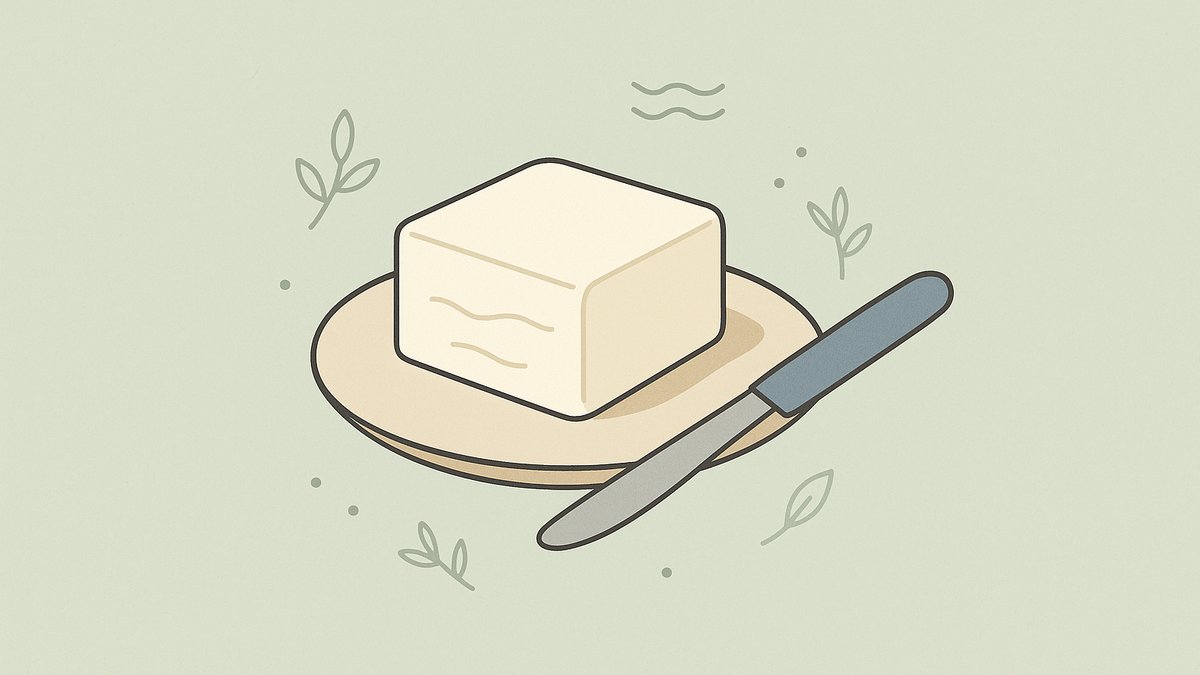
Cream cheese is low FODMAP at a small serve, roughly 2 tablespoons per Monash's testing. That covers most real-life uses: a schmear on toast, a thin spread on half a bagel, or a dollop stirred into a sauce. Go bigger and the lactose load climbs, because cream cheese is a fresh, unaged dairy product that still carries real lactose per gram.
Cream cheese behaves predictably on the diet. Once you know the serve and the lactose-free options, there's no guessing required.
The short answer
Per Monash, cream cheese is low FODMAP at roughly 2 tablespoons (around 30 g). That's a normal schmear, not a deli-scale pile.
At double or triple that serve, lactose stacks up fast and the product slides into high-FODMAP range. A quarter cup is already pushing it for most people. A half cup, which some dip and cheesecake recipes call for per portion, is over the line.
If you want a bigger serve without worrying about it, reach for lactose-free cream cheese, which is available in several markets (more on brands below).
Why cream cheese has more lactose than cheddar
This is the part that confuses people who've read that "cheese is fine on low FODMAP."
Aged cheeses like cheddar, parmesan, swiss, and brie have had their lactose broken down during fermentation and aging. What's left is mostly fat and protein, so Monash lists generous serves for aged cheeses.
Fresh cheeses are different. Cream cheese, ricotta, cottage cheese, and mascarpone skip the long aging step, so lactose stays in the product. Cream cheese has less lactose per gram than cottage cheese or ricotta because it's higher in fat, but it's not zero. Hence the 2 tablespoon serve.
For the full picture, see lactose vs FODMAP intolerance and what are FODMAPs.
 Get the free Beginner's Guide to the Low FODMAP Diet
Learn what FODMAPs are, which foods to watch, and how to start finding your personal triggers. Plus practical tips and new recipes by email.
What 2 tablespoons looks like on real food
Nobody measures cream cheese with a spoon. The practical translation:
- Toast schmear. A thin, even spread on one slice is roughly 1 tablespoon. Two slices lightly spread is right at the 2 tablespoon serve.
- Half a bagel. A normal spread on half a bagel is about 2 tablespoons.
- Full bagel. A deli-style bagel usually carries 3 to 4 tablespoons. That's over the line. Cut it back or use lactose-free.
- Dollop in a sauce. A tablespoon stirred into a pan sauce adds richness without stacking lactose.
- Cheesecake slice. Varies by recipe, but a homemade slice often has 2 to 4 tablespoons per portion. A thin sliver stays safe; a restaurant wedge usually doesn't.
If you eat cream cheese daily, this is the kind of food where FODMAP stacking sneaks up on you.
Lactose-free cream cheese exists
If 2 tablespoons isn't enough for your bagel habit, lactose-free cream cheese solves the problem. It's regular cream cheese that's been treated with lactase enzyme, which pre-splits the lactose. You can usually go bigger without the lactose limit being the bottleneck.
A few options, with the caveat that availability and formulations vary:
- Philadelphia Lactose Free. Sold in several European markets and some Australian/NZ channels. Tastes close to regular Philadelphia. Not consistently on US shelves, so US readers often have to substitute.
- Green Valley Creamery Lactose-Free Cream Cheese. A US brand focused on lactose-free dairy. Available at Whole Foods and some larger chains.
If lactose-free isn't available locally, the backup options are sticking to the 2 tablespoon serve with regular cream cheese, or switching to a plant-based alternative.
Plant-based cream cheese alternatives
Plant-based cream cheeses can work, but the label matters. Many lean on high-FODMAP ingredients (quantity cashews, added inulin, agave, onion powder in savory varieties).
- Kite Hill Almond-Based Cream Cheese (plain). Short ingredient list and a common pick for low-FODMAP shoppers. Almonds are high FODMAP in quantity, but the small spread-size serve keeps the almond dose modest. Flavored Kite Hill varieties (chive, everything, jalapeno) often add garlic or onion. Plain only during elimination.
- Tofutti. Soy-based. Some products have historically been fine at small serves, but label-check for inulin or chicory root.
- Cashew-based spreads. The category to be cautious about. Cashews hit high FODMAP at small serves (see the cashew post). A bagel-sized serve usually isn't low FODMAP.
For the broader view, see low-FODMAP dairy alternatives.
Brand picks for regular cream cheese
Regular cream cheese is a fairly uniform product. Most major brands have near-identical ingredient lists (cream, milk, salt, stabilizers, cheese cultures).
- Philadelphia Original. The most common pick. Covered by Monash's generalized cream cheese serving guidance at about 2 tablespoons. Block and tub are the same formulation.
- Store-brand full-fat cream cheese. Usually near-identical to Philadelphia. Kirkland, Trader Joe's, 365, Great Value, and most supermarket brands follow the same basic recipe.
- Whipped cream cheese. Same cheese, aerated. Two tablespoons of whipped has less actual cheese (and slightly less lactose per spoon) than two tablespoons of block.
- Low-fat or "light" cream cheese. Lower fat means more water and more lactose per gram. Stick with full-fat at the tested serve, or go lactose-free.
- Flavored cream cheeses. Chive-and-onion, garden vegetable, garlic-herb, and similar varieties bring onion or garlic. Plain only during elimination.
Monash certification isn't a thing for most US cream cheese brands, so this guidance is generalized from Monash's cream cheese testing rather than any specific SKU. Put cream cheese on your low-FODMAP grocery list as a small-serve staple.
How this plays out in practice
- Toast and bagels. Light spread on one or two slices is fine. For a full bagel with a generous layer, switch to lactose-free.
- Pasta sauces. A tablespoon or two stirred into a pan sauce thickens beautifully. Common in low-FODMAP alfredo-style sauces built on lactose-free milk, parmesan, and cream cheese.
- Cheesecake. The classic portion problem. A thin slice is usually okay; a restaurant wedge isn't. Lactose-free cream cheese removes the FODMAP constraint almost entirely (though the crust and toppings still matter). The low-FODMAP cheesecake recipe on this site is built on lactose-free cream cheese for that reason.
- Dips and spreads. Build them with lactose-free cream cheese if the serve will run more than a tablespoon or two.
- Stuffed chicken or peppers. One or two tablespoons per portion usually works.
What about reintroduction?
Lactose is one of the groups reintroduced on its own in phase 2. For someone who tolerates lactose well after a structured lactose challenge, cream cheese at larger serves stops being a concern. If lactose is a clear trigger, regular cream cheese stays a small-serve food and lactose-free becomes the default.
Summary
Cream cheese is low FODMAP at about 2 tablespoons per Monash. Larger serves push into lactose territory. Lactose-free cream cheese covers the portion-size gap if a bagel-scale schmear is non-negotiable. Plant-based versions can work, but the label has to be read closely, especially for added fructans and cashew-heavy formulations.
For meal ideas that lean on cream cheese within the tested serve, see our low-FODMAP recipes. Scanning the tub or barcode with the FODMAP Foods app, or searching the low FODMAP food list, makes it easy to check a specific cream cheese in seconds.
Get the free Beginner's Guide to the Low FODMAP Diet
Learn what FODMAPs are, which foods to watch, and how to start finding your personal triggers. Plus practical tips and new recipes by email.
Scan any food, search 1,000+ FODMAP ratings, and know your safe portion with FODMAP Foods.


Related articles


For educational purposes only. Not medical advice. Consult a healthcare professional for personal guidance.
References
- Lactose and dairy products on a low FODMAP diet — Monash FODMAP
- Is Cheese Low FODMAP? — FODMAP Everyday
- What Cheeses Are Low FODMAP? (Low Lactose) — A Little Bit Yummy
- Dairy alternatives (beverage and yoghurt) - low FODMAP options — Monash FODMAP