Is Cauliflower Low FODMAP? The Common Surprise
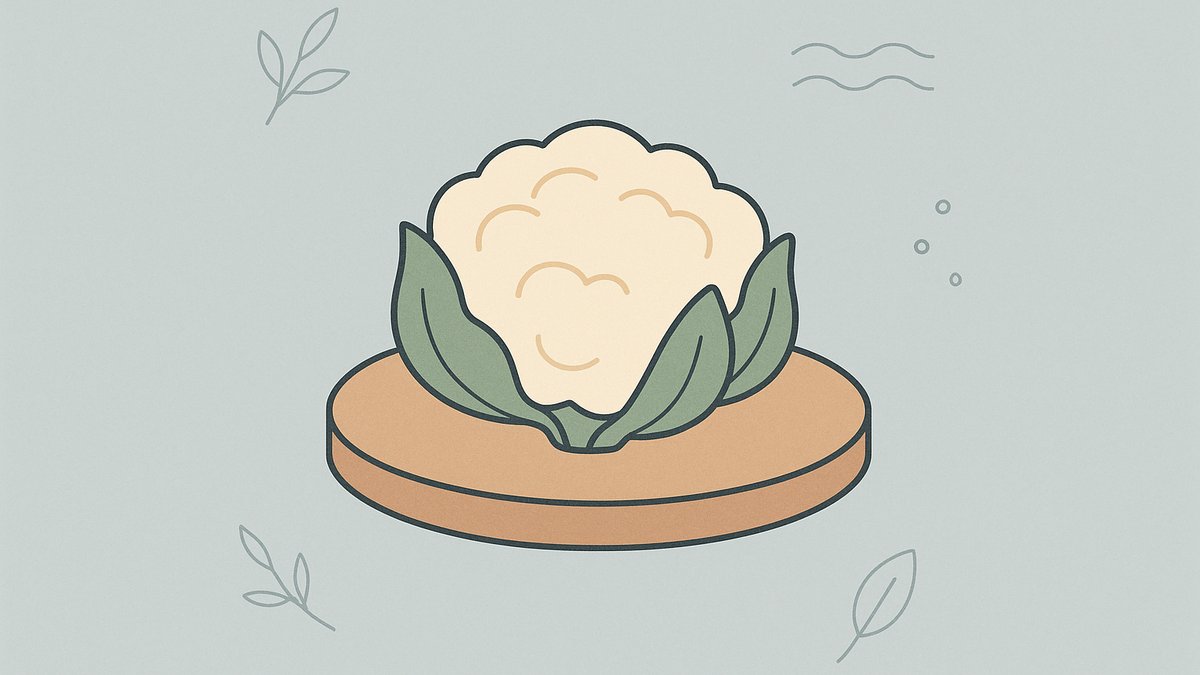
A small serve of cauliflower, roughly 3/4 cup of florets, is low FODMAP under the current Monash rating. The catch is that most modern cauliflower recipes use portions far above that threshold.
For years cauliflower was the poster child for mannitol and a flat "do not eat during elimination" food. In 2025 Monash retested it and the rating changed. Meanwhile, the cauliflower rice and pizza crust trend trained a generation to eat entire heads of the stuff in a sitting. If you have IBS and you're eating cauliflower the way keto recipes use it, portion size is the piece that still matters.
The short answer
Under the current Monash rating, 75g of white or purple cauliflower florets (about 3/4 cup, loosely packed) is low FODMAP. Larger amounts push into moderate and then high FODMAP territory, driven by fructans at bigger serves rather than mannitol for white cauliflower, and fructose for purple.
The older rating, still quoted all over the internet and in older cookbooks, was high FODMAP for mannitol at standard serves. That's where the "cauliflower is bad for IBS" reputation comes from. The rating changed, but keto-style portions still cause reactions because those portions are multiples over the threshold.
Cauliflower's rating has shifted more than once, so it's worth looking up fresh in the FODMAP Foods app.
The mannitol backstory
Mannitol is a polyol, a type of sugar alcohol the small intestine absorbs slowly and incompletely. What doesn't get absorbed moves into the large intestine, where it pulls water in and gets fermented by gut bacteria. That mechanism drives the bloating, cramping, and urgency after a mannitol-heavy meal.
Mannitol is one of the two main polyols the FODMAP framework tracks, alongside sorbitol. Cauliflower historically tested high for mannitol at a 3/4 cup serve, which is why it was listed as a hard no during elimination for years.
Mushrooms (common white and portobello), celery, and snow peas are the other classic mannitol foods. Sweet potato used to sit on this list too, but Monash's 2025 retest moved it to fructans, the same as cauliflower. If you react to cauliflower in larger amounts, watch these next. The mushrooms and FODMAPs post covers the mannitol story in more detail.
 Get the free Beginner's Guide to the Low FODMAP Diet
Learn what FODMAPs are, which foods to watch, and how to start finding your personal triggers. Plus practical tips and new recipes by email.
Why the retest doesn't save you
In May 2025 Monash updated the cauliflower entry. White cauliflower at 75g is now rated low FODMAP, with fructans becoming the limiting FODMAP at larger serves rather than mannitol. Purple cauliflower got a similarly generous rating.
The update helps if you want cauliflower back in rotation, but it doesn't fix the cauliflower rice problem.
A full serving of cauliflower rice is typically 1 to 1.5 cups. A personal cauliflower pizza crust uses most of a medium head. A cauliflower mash side is often a full cup or more. These portions all sit well past the 3/4 cup threshold. Low FODMAP at 3/4 cup does not mean safe at 2 cups.
The trap is that people read "cauliflower is low FODMAP now" and scale back up to their old portions. The rating changed, but the threshold didn't disappear.
The keto and low-carb trap
Cauliflower got huge in the 2010s as the universal low-carb swap. Cauliflower rice, pizza crust, mash, wings, gnocchi, tots, flour. Most of these recipes use cauliflower in serving sizes that are 2 to 4 times the low-FODMAP threshold.
If you have IBS and you've been doing keto or low-carb, this is often the single biggest hidden trigger. A frozen cauliflower pizza crust can use the equivalent of a full medium head of cauliflower in one personal pizza. Cauliflower flour blends concentrate the FODMAP load even further.
A few product categories worth portioning carefully:
- Cauliflower rice. Standard package serving is usually 1 cup or more. Portion down to 3/4 cup and bulk the dish out with real rice or quinoa.
- Cauliflower pizza crust. A whole personal crust is typically high FODMAP. Split with someone, or treat it as occasional rather than weekly during elimination.
- Cauliflower flour and baking mixes. Hard to portion by eye because the cauliflower is dehydrated and concentrated. Skip during elimination.
- Cauliflower gnocchi and tots. Often blended with potato starch, which helps, but the cauliflower content is still high per serving.
None of this means cauliflower is off-limits. It means you need to portion it like a FODMAP food, not like a free vegetable.
The stacking problem
Even when you stay under 3/4 cup, cauliflower contributes to fructan load. If lunch had some cauliflower rice, some onion-free stir-fry, some garlic-infused oil, and you snacked on a few dried dates later, you can stack fructans across foods that each looked fine on their own.
This is FODMAP stacking, and it's probably the most common reason people say the diet "stopped working." Each food is technically low FODMAP at its own serve. Together they hit your gut like one high-FODMAP meal.
Cauliflower is an easy stacking culprit because a low-FODMAP portion looks small next to a low-carb recipe. If you're already being generous with other fructan foods that day, keeping cauliflower at 3/4 cup matters more than on a low-stack day.
Swaps that work
When you want the cauliflower texture or bulk without the portion math, these vegetables cover most of the use cases:
- Broccoli florets. Low FODMAP at a 3/4 cup serve of the florets (stalks have a smaller serve because they're higher in fructans). Roasts the same, rices the same in a food processor, and works as a pizza-crust base with the same egg-and-cheese binder recipes.
- Zucchini. Low FODMAP at a 65g serve (roughly 1/2 cup chopped). Great for mash, noodle substitutes, and sheet-pan recipes.
- Turnip. Low FODMAP at a standard serve. The best cauliflower mash substitute, either on its own or blended with potato.
- White potato. Low FODMAP with no FODMAP limits at typical serves. If the goal was "starchy side" rather than "low-carb," potato is the simpler answer.
For the full picture of what's in and out by portion, see the low-FODMAP vegetable list.
How to eat cauliflower in practice
Cauliflower shows up as a portion of a dish, not the base of a dish. A few florets in a roasted vegetable tray. A scoop in a curry alongside rice. A side of roasted cauliflower with dinner. Not a full cauliflower rice bowl or a whole cauliflower pizza.
If you're making cauliflower rice, make it 1/3 of the bowl and add real rice or quinoa for the rest. If you want cauliflower mash, blend it 50/50 with potato or turnip. Measure once so you know what 3/4 cup looks like, then eyeball it after.
When can you eat more cauliflower?
The elimination phase is 2 to 6 weeks, not permanent. After that, reintroduction tests each FODMAP group one at a time. Mannitol and fructans are both standard challenges, and our polyol challenge and fructan challenge walkthroughs show how each one runs. Once you know how you tolerate each, you can work out whether keto-style cauliflower portions sit well or not. Plenty of people tolerate a full cup of cauliflower rice after reintroduction. Others find mannitol or fructans are real triggers and keep cauliflower at a small serve long term. Either outcome is normal. If you're new to the framework, the what are FODMAPs post walks through the phases.
The summary
Three-quarters of a cup of cauliflower is low FODMAP under the current Monash rating. A full personal cauliflower pizza crust or a 1.5-cup bowl of cauliflower rice sits well above that threshold. The 2025 retest changed the rating, but keto-style portions still deliver several times the low-FODMAP dose.
For meal ideas that use cauliflower in elimination-safe portions, see our low-FODMAP recipes. If avocado is another food whose serving size keeps tripping you up, the avocado post covers the same portion-matters pattern. The FODMAP Foods app lets you scan a cauliflower product, label, or barcode, or search the low FODMAP food list, so you can check the serve in seconds.
Get the free Beginner's Guide to the Low FODMAP Diet
Learn what FODMAPs are, which foods to watch, and how to start finding your personal triggers. Plus practical tips and new recipes by email.
Scan any food, search 1,000+ FODMAP ratings, and know your safe portion with FODMAP Foods.


Related articles



For educational purposes only. Not medical advice. Consult a healthcare professional for personal guidance.
References
- Reintroduction Update — Monash FODMAP
- Research Update: Cauliflower is Low FODMAP — A Little Bit Yummy
- Cauliflower — FODMAP Everyday
- Let's Talk about Mannitol & the Low FODMAP Diet — A Little Bit Yummy
- The low FODMAP diet: recent advances in understanding its mechanisms and efficacy in IBS — Staudacher & Whelan (2017)