Garlic Substitutes on a Low-FODMAP Diet (That Taste Like Garlic)
Fresh garlic is out during the elimination phase of the low-FODMAP diet, which leaves a practical question: what do you cook with instead? Garlic carries so much of the flavor in savory food that removing it can make a recipe taste flat, vaguely sweet, and wrong in a way that's hard to fix with more salt.
This post is a standalone guide to garlic substitutes that work. For the background on why garlic is high FODMAP in the first place, see our main garlic post. The focus below is on swaps, including how to use each one and when to reach for it.
Garlic-infused oil: the main move
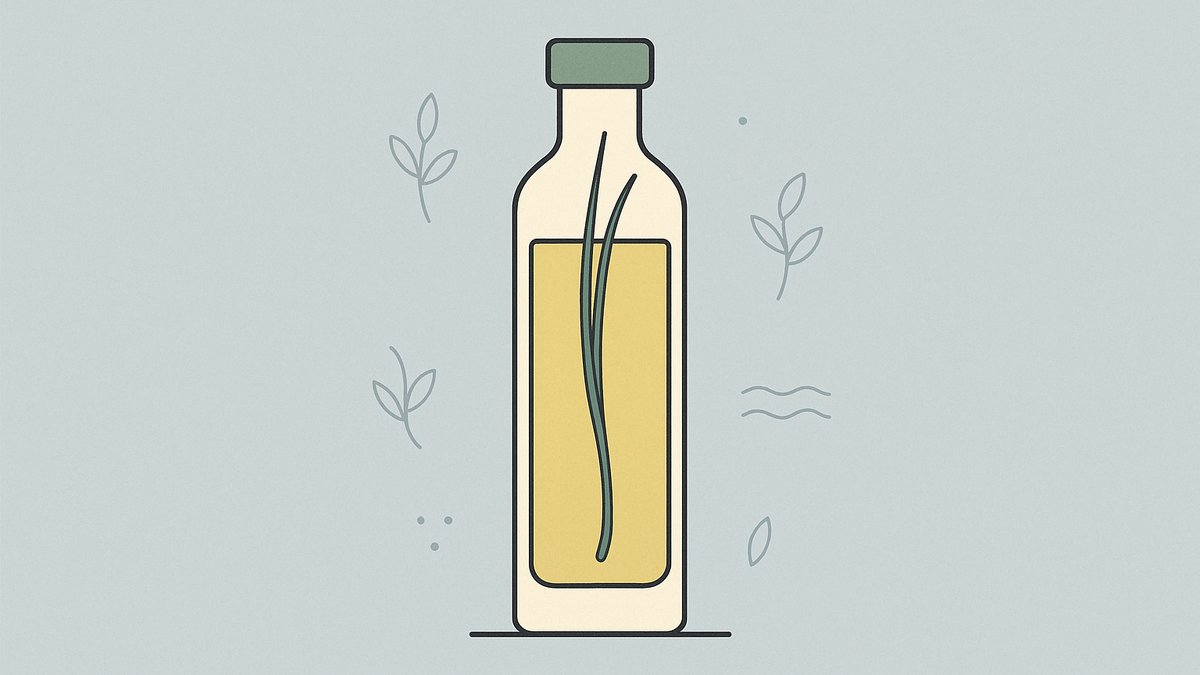
Garlic-infused oil is the single most important substitute to learn. It's also the one Monash University specifically endorses as low FODMAP when made correctly.
The reason it works comes down to chemistry. Fructans in garlic are water-soluble, not fat-soluble, so they don't transfer into oil. The flavor compounds do. Strain out every bit of solid garlic and you're left with oil that tastes like garlic without the FODMAP load. The straining step matters because any sediment or fragments carried over can bring fructans along with them.
Buying it
Look for bottles with the Monash FODMAP certified logo on the product itself. Certification can change and varies by SKU and region, so check each individual bottle rather than relying on a brand name. A certified oil is the simplest option and removes any home-kitchen food safety worries.
Read the label. A true infused oil has no visible garlic solids floating in it. If there are bits of garlic in the bottle, it's not strained and those solids will carry fructans.
Making it at home safely
Homemade infused oil is cheap and easy, but it comes with a real food safety note that you need to respect.
Warm a cup of olive oil with four or five crushed garlic cloves in a small pan over low heat. Keep it under a bare simmer for ten to fifteen minutes. The oil should smell strongly of garlic. Strain the oil through cheesecloth or a fine mesh sieve into a clean glass jar. Discard every bit of solid garlic. Refrigerate immediately. The full low-FODMAP garlic-infused oil recipe walks through each step with the food-safety rules.
Garlic is a low-acid food, and when it sits in oil at room temperature, the anaerobic environment is ideal for Clostridium botulinum to grow. Botulism from home-infused garlic oil is well documented. Keep homemade oil refrigerated, and use it within a week. For longer storage, freeze it in small portions. Never leave a homemade garlic oil sitting on the counter, and don't trust "recipes" that say it's fine at room temperature.
Commercial garlic oils are processed and formulated for shelf stability in ways a home kitchen can't reliably replicate. Homemade ones aren't.
Garlic chives (Chinese chives)
Garlic chives are a different plant from the regular chives you might know from a baked potato. They're flat, grass-like, and taste distinctly of garlic rather than onion. Monash lists them as low FODMAP at standard cooking serves.
They work well raw and cooked. Slice them into thin ribbons and stir into scrambled eggs, fold into dumplings, toss through a stir-fry near the end of cooking, or sprinkle on top of noodles. They're the closest thing to fresh garlic flavor you can add without using oil.
Asian grocery stores almost always carry them. Regular grocery stores sometimes have them labeled as "Chinese chives" or "garlic chives" in the herb section.
 Get the free Beginner's Guide to the Low FODMAP Diet
Learn what FODMAPs are, which foods to watch, and how to start finding your personal triggers. Plus practical tips and new recipes by email.
Asafoetida (hing)
Asafoetida is a dried plant resin used in Indian cooking. On its own it smells aggressively sulfurous, which is why the name translates roughly to "stinking gum." When a pinch hits hot oil, it mellows into something remarkably close to cooked garlic and onion.
One catch: commercial hing is often blended with wheat flour as a carrier. Wheat adds fructans back into the dish, which defeats the point. Read the ingredient list. If it says "wheat flour" or "compounded asafoetida," skip it unless you're specifically looking for a blended version and are comfortable with the fructan load. Pure asafoetida (sometimes labeled "gluten-free hing") is what you want. Indian grocery stores usually carry both.
Use a pinch, not a spoonful. Bloom it in oil at the start of a dish the way you'd start with garlic. It's especially good in dal, curries, lentil soups, and any Indian recipe that would normally start with onion and garlic.
Garlic scapes (at a small serve)
Garlic scapes are the curly green flower stalks that hard-neck garlic plants send up in early summer. Farmers markets sell them for a few weeks a year. They taste like a gentler, grassier version of garlic.
Monash has tested garlic scapes and rates them low FODMAP at a small serve (around 10g). Larger portions move into moderate or high FODMAP territory because the fructan content climbs. Scapes vary a lot in size, so weigh rather than count. If you see them at a market, grab a bunch, chop them fine, and use them like a chive-meets-garlic hybrid. Good in pesto, scrambled into eggs, folded through a grain bowl.
Keep the serving honest: a small sprinkle per plate, not a whole bunch thrown into a single dish.
Smoked paprika for depth
Smoked paprika doesn't taste like garlic, but it does something garlic often gets credited for: it adds depth, umami, and a savory backbone that keeps a dish from tasting thin. When you're cooking without fresh garlic or onion, it's easy to land in "too clean" territory. A half teaspoon of smoked paprika pulls a sauce or a braise back toward feeling complete.
It's low FODMAP at standard serves. Use it in marinades, rubs, roasted vegetables, bean dishes, and tomato sauces. Pair it with garlic-infused oil and you get something that reads as rich and garlicky even when there's no garlic in the pan.
Recipe-level swaps
The substitutes map onto common dishes like this.
Pasta. Start with garlic-infused oil instead of sliced garlic. Add a pinch of chili flakes. Finish with a handful of chopped garlic chives or the green tops of scallions. For a tomato sauce, see the low-FODMAP marinara sauce recipe.
Stir-fry. Heat neutral oil plus a spoon of garlic-infused oil in the wok. Add a pinch of asafoetida. Throw in ginger, then your protein, then vegetables, then the green tops of scallions or sliced garlic chives near the end.
Marinade. Whisk garlic-infused oil with lemon juice or rice vinegar, smoked paprika, salt, and fresh herbs. This works for chicken, tofu, fish, or vegetables. Marinate for at least 30 minutes. No fresh garlic needed.
Salad dressing. Garlic-infused oil plus vinegar, Dijon mustard, salt, pepper, and optional maple syrup. Shake in a jar. It tastes like a classic vinaigrette.
Soups and stews. Start with infused oil and a pinch of asafoetida, build with leek greens (green parts only) and carrots, finish with garlic chives. Smoked paprika pulls the flavor together. The low-FODMAP chicken broth recipe uses leek and scallion greens this way.
Stacking these together
No single substitute fully replaces garlic. Layering is what works. Infused oil as the base, asafoetida for cooked-garlic depth, garlic chives for fresh bite, smoked paprika for backbone. Used together, they cover most of the flavor gap.
For more pantry items worth stocking, see our guide to low-FODMAP pantry staples. For the broader picture of why these swaps matter, start with what FODMAPs are, and for the onion side of the equation see is onion low FODMAP. The aromatics swap is the cooking side; when you want to check an ingredient or a store-bought swap, FODMAP Foods lets you scan a label or barcode, ask AI, or search the low FODMAP food list in seconds.
Get the free Beginner's Guide to the Low FODMAP Diet
Learn what FODMAPs are, which foods to watch, and how to start finding your personal triggers. Plus practical tips and new recipes by email.
Scan any food, search 1,000+ FODMAP ratings, and know your safe portion with FODMAP Foods.


Related articles

For educational purposes only. Not medical advice. Consult a healthcare professional for personal guidance.
References
- All about onion, garlic and infused oils on the Low FODMAP Diet — Monash FODMAP
- Cooking with onion and garlic: myths and misconceptions — Monash FODMAP
- Garlic in Oil: A Home Food Safety Concern — University of Wisconsin-Madison Extension
- Botulism and Commercially Canned or Jarred Food — U.S. Centers for Disease Control and Prevention