Are Lentils Low FODMAP? Canned vs. Dried, by Type
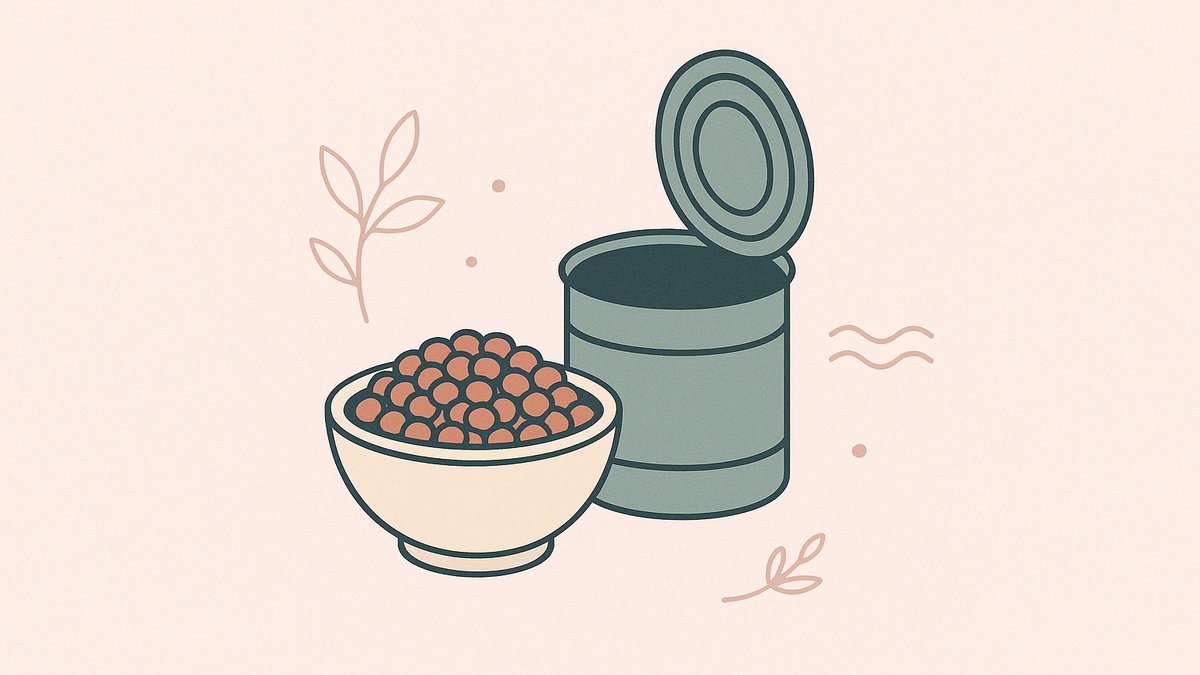
Lentils sit in the same awkward spot as chickpeas on the low-FODMAP diet. Some lists call them safe, others call them a trigger, and both are right. "Lentils" isn't a single food. A drained canned lentil and a red lentil boiled from dried are different ingredients once you zoom in on galacto-oligosaccharides (GOS).
Canned lentils, drained and rinsed, have a tested low-FODMAP serve. Lentils cooked from dried are higher in GOS at the same volume and have smaller tested serves.
The short answer
Canned brown or green lentils, drained and rinsed well, are low FODMAP at about 1/4 cup (46 g) per serving. Boiled-from-dried lentils have smaller low-FODMAP serves: green lentils around 29 g cooked, red lentils around 23 g cooked. Le Puy (French green) lentils sit in the same ballpark as other cooked green lentils. Variety matters less than preparation. The canned-versus-dried gap is the headline, same as with chickpeas.
Why lentils are a FODMAP problem
Lentils are legumes, and legumes are some of the highest-GOS foods in a normal diet. GOS is one of the oligosaccharide families covered by the broader FODMAP group, alongside the fructans in wheat, garlic, and onion.
GOS ferments in the large intestine, feeds gut bacteria, produces gas, and pulls water into the gut. For people with IBS, that's what produces the bloat, cramping, and urgency after a bowl of lentil soup. Tolerance varies per person, which is why elimination-phase portions are conservative.
The useful thing about GOS, and the reason canned lentils work on the diet at all, is that it's water-soluble.
 Get the free Beginner's Guide to the Low FODMAP Diet
Learn what FODMAPs are, which foods to watch, and how to start finding your personal triggers. Plus practical tips and new recipes by email.
Canned vs. dried: the whole trick
GOS dissolves in water. When lentils sit in canning liquid for long enough, a meaningful portion of their GOS leaches into the brine. When you drain the can and rinse the lentils, a meaningful amount of that GOS goes down the drain with the liquid. The drained-and-rinsed canned lentil has a tested low-FODMAP portion. The home-boiled lentil, cooked in water you then eat as soup or stew, keeps much more of its GOS.
The rinse matters. A quick swish isn't enough. Drain in a colander and rinse under cold running water for at least 30 seconds, until the water runs mostly clear.
Home-boiled lentils aren't a lost cause, but the serves are smaller and you have to measure them carefully. Boiling pulls some GOS into the cooking water, which is why Monash has tested serves for boiled lentils at all. The catch: most lentil recipes (soups, dals, stews) keep the cooking liquid, so the GOS you pulled out is back on your plate in the broth.
Practical translation: for elimination phase, canned is the path of least resistance. If you cook from dried, boil in plenty of water and drain it off before using the lentils in a recipe.
The tested serves, by type
Weigh these, don't eyeball them. Gram weights are more reliable than cups for lentils because density varies a lot by variety and hydration.
- Canned brown or green lentils (drained, rinsed): about 1/4 cup, or roughly 46 g
- Boiled green lentils (from dried), cooked weight: about 29 g
- Boiled red lentils (from dried), cooked weight: about 23 g
- Cooked Le Puy (French green) lentils: similar to other cooked green-type lentils
- Black beluga lentils: not separately tested; if you're cooking them from dried, stay conservative and use the boiled-lentil numbers as a rule of thumb
The cooked numbers above are prepared weights, not dry weights. A kitchen scale is the easiest way to stay honest; cup measures are tricky once lentils have softened or broken down.
Red lentils are the serve people overshoot most often, because they disintegrate into a puree as they cook and 23 g in a bowl doesn't look like much. That's less finished food than your intuition expects. Treat grams as approximate, since Monash retests foods and serves can shift.
Does the variety matter?
Not in the way most articles imply. Green, brown, red, black, and Le Puy are all lentils and all GOS-heavy in their dried form. What differs is the tested serve size and how they behave in the pot. Red lentils cook fast and go mushy, green and brown hold shape, Le Puy stay firm. From a FODMAP perspective, the big split is canned vs. boiled-from-dried, not variety vs. variety. Swap dried red for dried green in a recipe and the FODMAP math is close enough.
Lentil soup from a can
Canned lentil soup is not the same as canned lentils. Most commercial lentil soups (Progresso, Amy's, store brand) contain onion, garlic, or both, plus often more lentils per serving than the 1/4 cup threshold. That stacks GOS (lentils) with fructans (onion, garlic) in one bowl, which is exactly the scenario that tips people into symptoms.
For lentil soup during elimination, make it at home with drained canned lentils, garlic-infused olive oil instead of fresh garlic, spring-onion greens instead of bulb onion, and a measured 1/4-cup serve per bowl. The same template works for hummus, which is the other place canned legumes earn their keep. The can-opener version doesn't work, with very few exceptions (low-FODMAP-certified brands like Fody being the main ones worth checking).
Dal
Dal is traditionally made from red or yellow lentils cooked down into a thick puree with onion, garlic, tomato, and spices. On a low-FODMAP plate, the problems stack up fast:
- Red lentils have the smallest tested serve (about 23 g cooked)
- The cooking water becomes part of the dish, so leached GOS stays on your plate
- Onion and garlic stack fructans on top of the GOS
- A typical dal portion is well over the tested serve
You can build a low-FODMAP dal: weigh out about 23 g of cooked red lentils per person, use garlic-infused olive oil, swap bulb onion for spring-onion greens, and stick to whole or ground spices (not pastes with hidden onion powder). But it's a recipe you rebuild, not one you eat unchanged from a restaurant. See FODMAP stacking for why small serves of several high-FODMAP things still add up to a high-FODMAP meal.
Lentil pasta
Lentil pasta (red lentil rotini, green lentil penne, brands like Barilla Red Lentil, Tolerant, Banza's lentil line) is milled from dried lentils, so the GOS comes along for the ride. A normal 2-ounce (56 g) dry pasta portion is likely too big for elimination given how small the tested lentil serves are. Some brands publish smaller low-FODMAP portions, so check the packaging, or scan it in the FODMAP Foods app, before assuming a serve is safe. For simplicity, gluten-free pastas based on rice, corn, or quinoa are the easier default during elimination.
How to eat lentils during elimination
A workable pattern for elimination phase:
- Buy canned, plain brown or green lentils (water and salt, no garlic or onion in the brine). Drain in a colander, rinse under cold water for at least 30 seconds.
- Measure the serve: 1/4 cup or 46 g per person, per meal. Use a measuring cup or scale until you've calibrated your eye.
- If cooking from dried, boil in plenty of water, drain it off, and weigh the cooked portion.
- Don't stack GOS sources. If lentils are on the plate, skip other legumes, onion, garlic, and go easy on wheat and nut/oat milks.
- Pair with non-oligosaccharide foods from the low-FODMAP vegetable list and use garlic-infused olive oil for flavor.
- Skip canned lentil soup and traditional dal during elimination.
During reintroduction, GOS is one of the standard challenge groups, and many people tolerate larger lentil portions than elimination allows. Our GOS challenge walkthrough shows how that test is structured. A 1/4 cup canned serve isn't forever; it's the baseline for figuring out your actual limit.
The takeaway
Lentils aren't banned on the low-FODMAP diet, but "lentils are low FODMAP" is too loose to be useful. The low-FODMAP version is 1/4 cup (46 g) of canned brown or green lentils, drained and rinsed well, without a pile of other oligosaccharide sources on the same plate. Boiled from dried, the serves shrink. Inside a can of commercial soup, they're behind a wall of onion and garlic. Milled into pasta, they're a reintroduction-phase food.
For the next step on legumes, the chickpeas guide covers the same canned-vs-dried split with different serve sizes. The FODMAP Foods app lets you scan a can or label, or search the low FODMAP food list, so you can check where canned versus dried lentils land in seconds.
Get the free Beginner's Guide to the Low FODMAP Diet
Learn what FODMAPs are, which foods to watch, and how to start finding your personal triggers. Plus practical tips and new recipes by email.
Scan any food, search 1,000+ FODMAP ratings, and know your safe portion with FODMAP Foods.


Related articles
For educational purposes only. Not medical advice. Consult a healthcare professional for personal guidance.
References
- Including legumes on a low FODMAP diet — Monash FODMAP
- FODMAP Ingredients: Canned Lentils — A Little Bit Yummy
- Canned Foods & FODMAPs: What's the Story? — A Little Bit Yummy
- Lentils ingredient guide — FODMAP Everyday